







RealClear Politics recently posted an article titled “Was Climate Change the Greatest Financial Scam in History?” in which Stephen Moore argues that the trillions of dollars spent on climate action have had no effect in stopping climate change but has slowed development and poverty reduction. Moore is right. Not only has the spending resulted in no change in the rate of warming or reductions in the increase of atmospheric carbon dioxide, but the money was spent in a way that made life worse for people around the globe.
Moore references the climate spending estimate recently calculated by Bjorn Lomborg, which comes out to at least $16 trillion over the past 30 years.
“And for what?” asks Moore, “not a single life has been or will be saved by this shameful and colossal misallocation of human resources.
“The war on safe and abundant fossil fuels has cost countless lives in poor countries and made those countries poorer by blocking affordable energy,” Moore continued.
This is absolutely true.
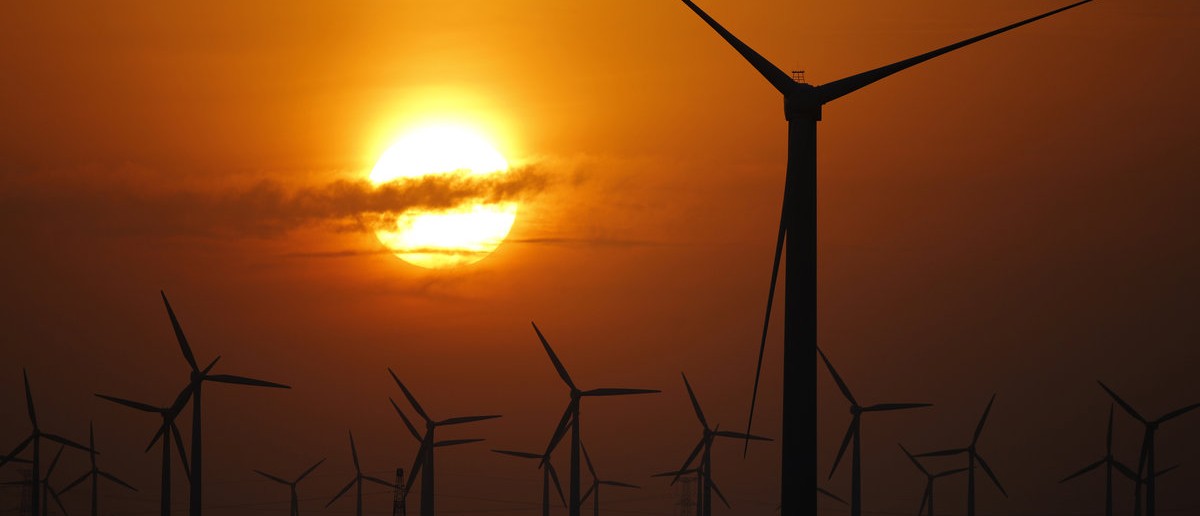
Fossil fuels are cheaper, more reliable, and more energy dense than renewable energy sources. Mainstream media outlets regularly claim that renewables like wind and solar are cheaper because their “fuel” –the wind and sunlight—are free. That’s true but largely irrelevant. The collection of that energy is not free, not even close. The most commonly referenced metric for the cost of different energy sources is the Levelized Cost of Electricity (LCOE). However, the LCOE measurement ignores many of the major costs that are unique to intermittent resources like wind and solar. These include special subsidies only they receive via renewables credits, the cost of backing the power up for when the wind doesn’t blow and the sun doesn’t shine, massive overbuilding, and transmission costs to remote areas.
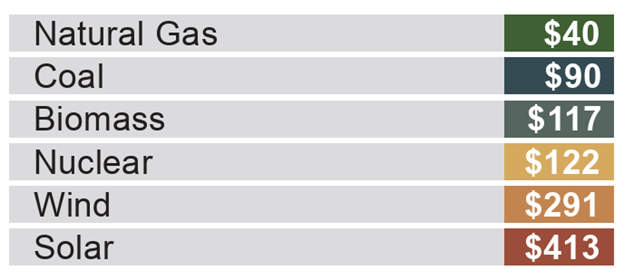
As discussed in many Climate Realism posts, including here, here, and here, when the full costs are accounted for, wind and solar are consistently some of the most expensive energy sources. For instance, when full system costs are included, natural gas comes out at $40 per megawatt-hour, while solar, often touted as the least expensive renewable, actually tops the chart at $413 per megawatt-hour. (See graphic below)
Markets and communities did not pick wind and solar, and would not have, were it not for massive incentives, restrictions on historic energy sources, and various state mandates. Subsidies keep the renewables industry afloat in the West. The media, which should know better, claim that fossil fuels receive massive federal subsidies, but the opposite is true. Green energy receives much, much more. (See figure below)
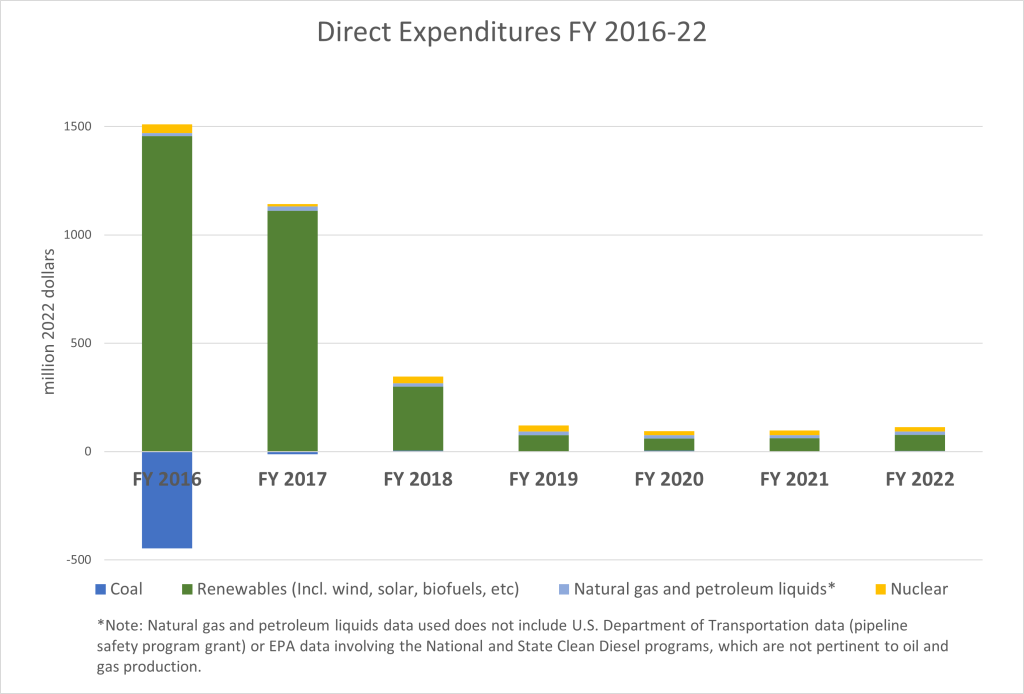
Under president Biden, despite accounting for only 21 percent of domestic electricity production, wind and solar received the largest share of direct and indirect subsidies, approximately 46 percent on their own. As a comparison, nuclear produces 18 percent of U.S. electricity and only receives a measly 1.5 percent of available federal subsidies. Fossil fuels make up about 60 percent of electricity production and receive 13 percent of subsidies, most of which came in the form of business tax deductions that are available to all businesses, not direct payments.
Poorer nations have been prevented from developing their own resources and electrical grids in the name of climate, in part due to private banks following the lead of government-backed international development banks and refusing to finance projects that are deemed “dirty” or those that have a carbon footprint.
And yet, as Moore points out, “the temperature of the planet has not been altered by one-tenth of a degree.”
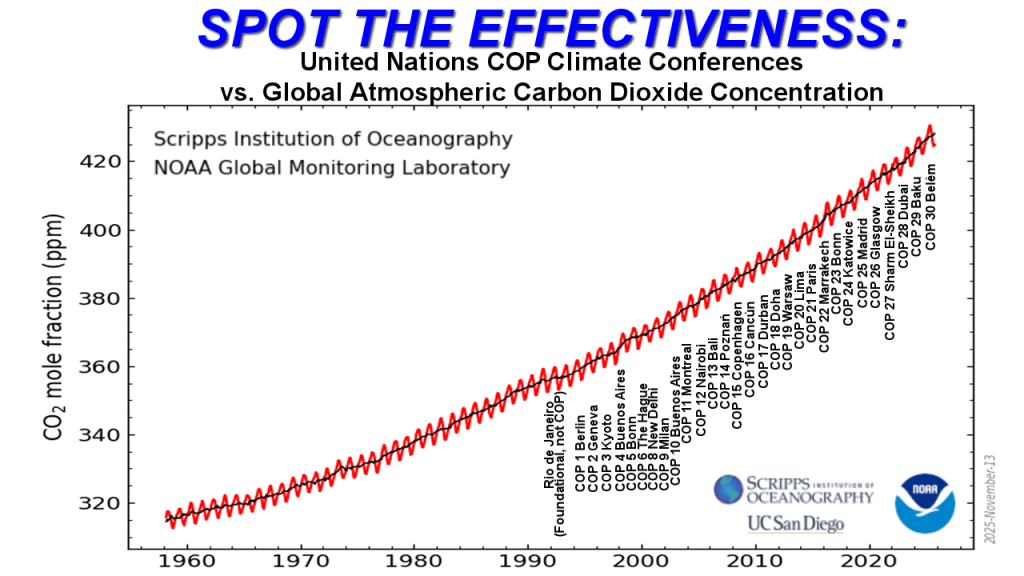
Correct, and what’s more, carbon dioxide has not slowed in increasing its concentration in the atmosphere. (See figure below)
Moore correctly points out that the trillions of dollars spent could have been better used elsewhere, like in aiding those aforementioned developing nations with real energy investment and infrastructure plans to help further harden against natural weather disasters. There is indeed a massive opportunity cost involved, and the cost is now truly sunk.
If more of the mainstream media had been willing to ask the right questions and lean in on realism instead of green washing, trillions could have been saved from this financial scam. RealClear Politics does a great service by publishing harsh but honest articles like Moore’s; other outlets should do the same.