




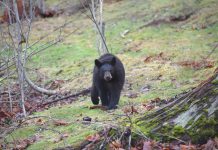


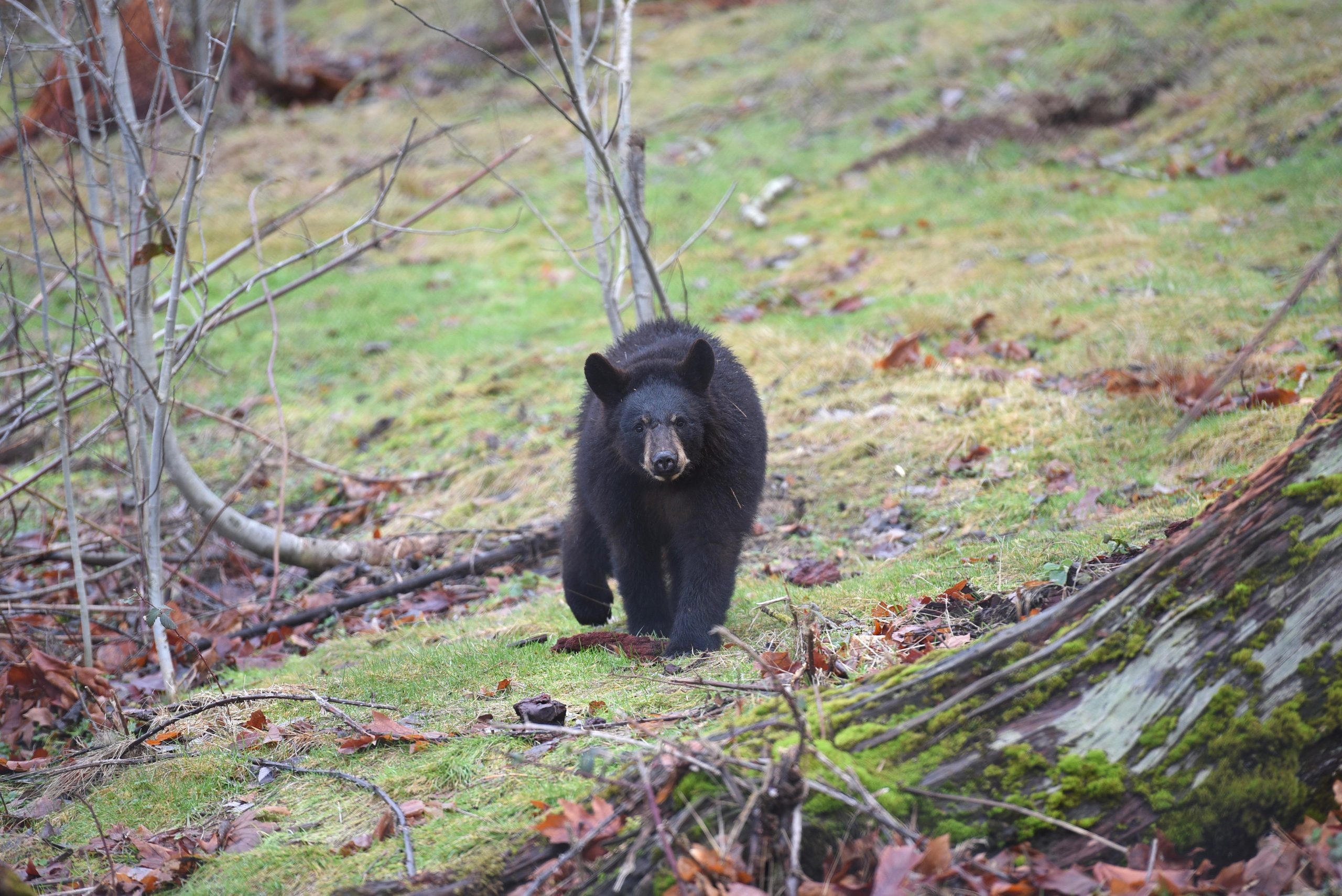
A story broadcast and posted by WPLN, Louisville Public Media, claims Tennessee’s black bear population is being threatened by climate change. Data show this is false. Bear populations are growing along with improved conditions for black bears to flourish. The biggest threat to black bears is conflict with humans, which is being driven by population growth, both bears and humans, urban expansion into bear habitat, and poor garbage storage.
WPLN reporter Caroline Eggers begins the story headlined, “Black bears are threatened by climate change. How can we help?,” by writing, “Black bear encounters are on the rise in Tennessee, and climate change is often a hidden culprit[.]”
The problem with Eggers story is that its headline and lead sentence are woefully misleading. Most of the story’s details are pretty accurate. She notes that before large-scale European occupation and widespread forest clearing, black bears were common across Tennessee. After a sharp decline, bears populations have made a big comeback with an estimated 6,000 bears across the state.
Bear populations are doing so well, they are increasingly being seen in edge communities being developed in formerly wild areas and even in urban areas.
Black bear encounters with people are on the rise in Tennessee, and they are not always […] idyllic […]” writes Eggers. “Bears scrounge through trash, cars and sometimes even homes for an easy source of calories.
“The furry creatures arguably have the best noses in the animal kingdom, 300 times better than people,” Eggers continued. “The trend is, in part, driven by convenience for the bears. They are opportunistic feeders.”
So far, so good, but then the story begins to go off the rails. Eggers notes that rainfall from Hurricane Helene in 2024 caused flooding, knocking down a lot of trees, and then leapt to discuss a current drought in the Great Smoky Mountain national park. Yet neither of these events are historically unique or historically unusual. Flooding and drought, while never the norm, have been common throughout Tennessee’s history, and there is no evidence in the data that hurricanes, droughts, and floods have become more common or severe over time in Tennessee, or in general elsewhere in the United States, as detailed in various Climate at a Glance posts, here, here, and here, for example.
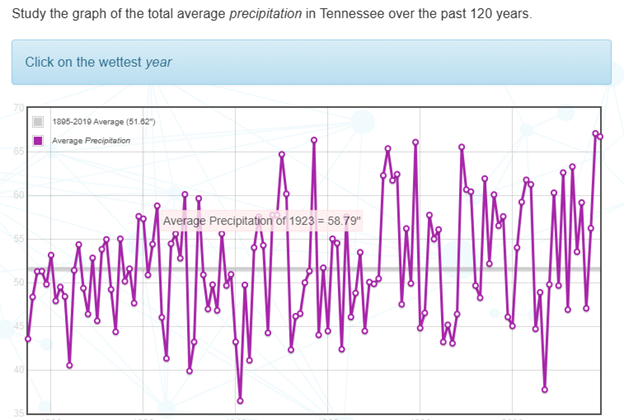
For Tennessee specifically, while rainfall amounts vary regionally across the state, data show no increasing trend in drought numbers or severity since 1895, but rather a modest increase in precipitation. (see the figure, below)
Temperatures in Tennessee have increased very modestly, about 0.5℉ over the past century. This is significantly below the national average rise in temperature and is likely due in large part to the Urban Heat Island effect from the growth of Tennessee’s large and midsized cities. In fact, Tennessee’s maximum high temperature was set and matched on two dates in 1930, more than 90 years of climate change ago.
Concerning forests, the data are clear that urban development and agriculture has replaced forests in some areas. But overall, the amount of forested lands has increased from lows set after initial European settlement, when many forests were cleared for small scale farming and grazing. In fact, forests cover approximately 52 percent of Tennessee, with rebounding coverage over the past 100 years. Natural forest coverage has doubled over the last century from 25 percent.
What’s more, connected forest cover and better precipitation has produced improved ecosystem conditions for bears, including increased animal and plant foods sources, which largely explain Tennessee’s growing bear population.
Since modest warming over the past hasn’t made habitat and ecological conditions worse for bears in Tennessee, but rather has improved such conditions, contributing to a growing population, climate change can’t be “threatening” bear survival, as Eggers claims in her WPLN story.
Had Eggers not tried to drag climate change into her WPLN story about problems some Tennesseans are having with bears, she might have written a valuable and interesting story. She could have explained the dangers bears face due to urban expansion, some people’s propensity to think of bears as cute and feeding them, and poor garbage storage – all of which have led to problem bears and human/bear conflicts. Instead, she opened with a misleading, but perhaps attention-grabbing headline, and then wandered off the trail in an effort to feed the narrative popular with the media that “climate change causes everything bad.” In this case, that climate change is harming bears—despite clear evidence the black bear population is flourishing amid climate change. There is no trend or evidence, none at all, suggesting this will change in the foreseeable future.